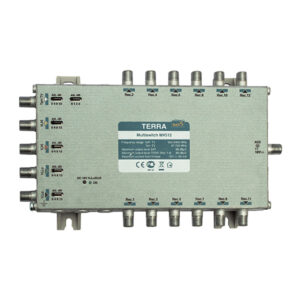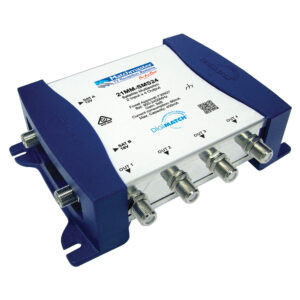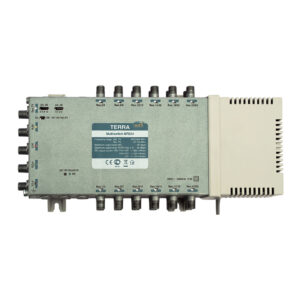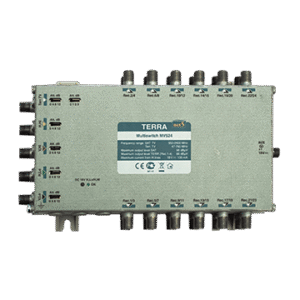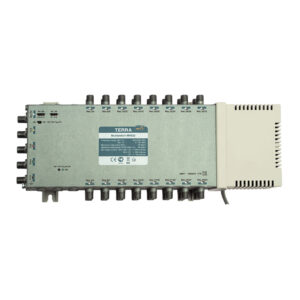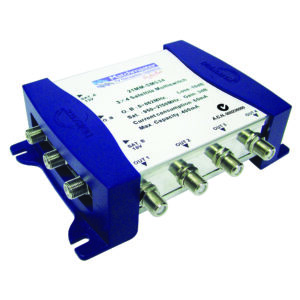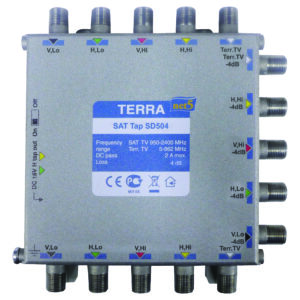
Multiswitch Systems

Multiswitch Systems for MATV and Commercial TV Distribution Projects

Selecting the right multiswitch system is an important part of designing a reliable television distribution network. Whether you’re supplying multiple apartments, accommodation rooms, commercial tenancies or institutional facilities, the right system helps ensure consistent signal delivery while providing flexibility for future expansion.

For many projects, the challenge is not simply distributing signals today but planning infrastructure that can accommodate future occupants, additional services and building upgrades without requiring major rework.

Choosing Multiswitch Systems Based on Project Requirements

The most suitable multiswitch system often depends on the size and complexity of the installation.

Smaller developments may only require a straightforward distribution network serving a limited number of outlets. Larger projects, such as apartment buildings, hotels and retirement villages, often benefit from systems that allow expansion as requirements change over time.

When evaluating options, consider:

  • Current and future outlet requirements
  • Building size and layout
  • Satellite and free-to-air distribution requirements
  • Available equipment locations
  • Expansion capability
  • Compatibility with existing MATV infrastructure

Planning for future growth at the specification stage can help reduce upgrade costs and minimise disruption later.

Standalone vs Cascade Multiswitch Systems

One of the most common purchasing decisions involves choosing between standalone and cascade configurations.

Standalone multiswitch systems are often suitable where all outlets can be served efficiently from a single distribution point. They are commonly used in smaller installations where future expansion requirements are limited.

Cascade multiswitch systems are typically preferred for larger buildings where multiple floors, risers or distribution zones need to be connected. Their modular design can make them easier to expand as occupancy requirements increase or additional services are introduced.

Understanding the long-term requirements of the project is often just as important as meeting current capacity needs.

Planning for Expansion and Infrastructure Upgrades

Many commercial and multi-dwelling developments undergo changes throughout their lifecycle. Additional tenancies, upgraded services or building refurbishments can place new demands on the distribution network.

Selecting multiswitch systems with expansion capability can help future-proof installations and reduce the need for major infrastructure changes. This is particularly important for projects where long-term service continuity and maintenance access are key considerations. Depending on the installation, complementary digital antenna accessories such as splitters, amplifiers, wall plates and signal management components may also be required to support reliable signal distribution throughout the network.

For upgrade projects, compatibility with existing cabling and distribution equipment should also be assessed before selecting a solution.

Multiswitch Systems for Apartments, Hotels and Commercial Facilities

Multiswitch systems are commonly specified for projects that require reliable signal distribution across numerous subscriber outlets.

Typical applications include:

  • Apartment and unit developments
  • Hotels and accommodation facilities
  • Student accommodation
  • Retirement villages
  • Hospitals and healthcare facilities
  • Commercial office buildings
  • Educational institutions

Different projects often have different infrastructure requirements, making capacity planning and expansion flexibility important parts of the purchasing decision.

Selecting the Right Multiswitch System for Long-Term Performance

The best multiswitch system is not always the one that meets today’s requirements alone. Contractors, consultants and procurement teams often achieve better long-term outcomes by considering future growth, maintenance access and distribution scalability during the initial planning stage. When integrated with digital antenna, TV and data distribution infrastructure, a well-designed multi switch system can help ensure consistent signal quality and simplify future network upgrades.

Browse our range of multi switch systems to find solutions suited to apartment, commercial and institutional projects across Australia.

If you’re planning a larger installation, selecting the right distribution infrastructure early can help simplify future expansion while supporting reliable performance across television, antenna and communications networks.

Frequently Asked Questions

How do I determine the correct multiswitch size for my project?

Consider the number of outlets required today, expected future growth and whether additional services may need to be distributed later.

When is a cascade multiswitch system a better option?

Cascade systems are often preferred for larger developments where signals need to be distributed across multiple floors, buildings or distribution zones.

Are multiswitch systems suitable for apartment developments?

Yes. They are widely used in apartment projects where multiple dwellings require access to shared television and satellite services.

Can a multiswitch system support both free-to-air and satellite services?

Many systems are designed to distribute multiple signal sources throughout a building. Always confirm compatibility with your project requirements.

What should I consider when planning future expansion?

Allow for spare capacity, potential tenancy growth and any future services that may be added to the network.

Can an existing MATV system be upgraded using a multiswitch?

In many cases, existing systems can be upgraded, although compatibility with current infrastructure should be assessed first.

Are multiswitch systems suitable for hotels and accommodation facilities?

Yes. They are commonly used in hospitality environments where multiple rooms require reliable access to centralised television services.

What supporting equipment is typically used with multiswitch systems?

Installations may also require coaxial cable, connectors, amplifiers, wall outlets, power supplies and other signal distribution components.

What are common mistakes when selecting a multiswitch system?

Undersizing the system, overlooking future expansion requirements and failing to assess compatibility with existing infrastructure are among the most common issues.

How can I improve long-term reliability in a multiswitch installation?

Careful planning, quality infrastructure components, correct system sizing and allowance for future growth can help reduce maintenance requirements over time.

Showing 1–16 of 20 results

My cart
Your cart is empty.

Looks like you haven't made a choice yet.