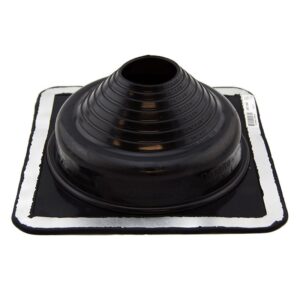
Flashing #0, 0-35mm Pipe 100 x 100mm Base, Black Premium DEKDFE100B
$38.21 inc GSTDektite, Flashing #0 Premium, Black

Roof penetrations are a common requirement across electrical, solar, plumbing, communications, and mechanical services installations. The challenge is not simply finding a roof flashing that fits a pipe or conduit — it is selecting a solution that suits the roof profile, environmental conditions, and long-term performance requirements of the project.
For contractors and procurement teams managing multiple installations, the right flashing helps minimise installation issues, reduce maintenance requirements, and lower the risk of costly call-backs caused by leaks or premature product failure.
Before selecting a roof flashing, consider three key factors:
Assessing these requirements upfront can help streamline product selection and improve installation outcomes.
Roof compatibility is one of the most important purchasing considerations.
Metal roofing systems commonly used across residential, commercial, and industrial projects often feature different profiles that require flexible flashing solutions capable of forming a secure seal around roof contours.
When selecting a roof flashing, verify that it is suitable for the roof profile being installed on, particularly when working with:
Choosing a flashing designed to work with the roof profile helps improve weatherproofing performance and installation reliability.
Material selection can significantly affect the lifespan and performance of a roof flashing.
EPDM flashings are commonly selected for general electrical and building service applications because of their flexibility and weather resistance. Silicone roof flashings are often preferred where higher operating temperatures or increased UV exposure are expected.
When comparing materials, consider:
Selecting the correct material from the outset can help reduce future maintenance and replacement costs.
Electrical contractors and solar installers frequently use roof flashings to protect conduit, cable, and service penetrations passing through roofing systems.
Applications commonly include:
For these installations, long-term weather resistance is often just as important as initial ease of installation. Roof flashings are often used alongside a range of electrical accessories to help protect cable entry points, support compliant installations, and maintain the integrity of building services exposed to the elements.
Many flashing-related issues can be traced back to product selection rather than installation quality.
Common mistakes include:
Reviewing project requirements before ordering can help avoid unnecessary delays and replacement costs.
Whether you’re sourcing products for a residential installation, commercial fit-out, maintenance programme, or large-scale construction project, selecting the correct roof flashing is essential for protecting roof penetrations and maintaining long-term weatherproof performance.
Browse the range to find roof flashings suitable for a variety of roof types, penetration sizes, and trade applications. With solutions designed for electrical, solar, mechanical, and building service installations, it’s easier to source products that meet project requirements while supporting reliable long-term results across Australia.
Start by measuring the outside diameter of the pipe, conduit, or penetration. The flashing should accommodate that diameter within its approved sizing range while allowing for a secure seal.
Many roof flashings are designed specifically for metal roofing profiles, including corrugated, Trimdek, and similar roof types. Always confirm roof compatibility before purchasing.
EPDM is widely used for general-purpose applications, while silicone is often preferred for higher-temperature environments and areas exposed to intense UV conditions.
The best option depends on conduit size, roof profile, environmental exposure, and project requirements. Products designed for long-term outdoor use are typically preferred for solar installations.
Yes. Roof flashings are commonly used to weatherproof conduit penetrations associated with electrical, communications, and solar installations.
Review penetration sizes, roof profiles, material requirements, environmental conditions, and consistency across all installation points before ordering.
Many flashing solutions can be used for retrofit applications where additional roof penetrations are required after the original roof installation.
Service life varies depending on material selection, installation quality, environmental exposure, and ongoing roof maintenance.
Periodic inspections are recommended to identify wear, UV degradation, physical damage, or deterioration that could affect weatherproof performance.
Certain flashing materials are better suited to harsh environmental conditions, including high UV exposure and elevated temperatures. Product suitability should always be assessed against the intended application.
Showing 1–16 of 39 results

Dektite, Flashing #0 Premium, Black

Dektite, Flashing #0 Premium, Grey

Dektite, Flashing #0 Premium Solar, Black
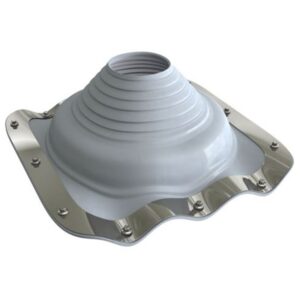
Dektite, Flashing #0 Premium Solar, Grey
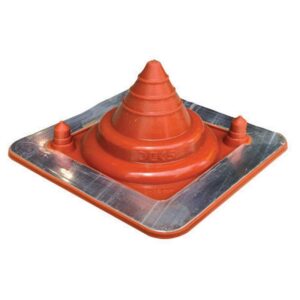
Dektite, Flashing #0 Premium Solar, Red

Dektite, Flashing #1 Premium, Black

Dektite, Flashing #1 Premium, Grey
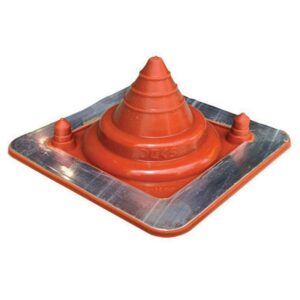
Dektite, Flashing #1 Premium Solar, Grey
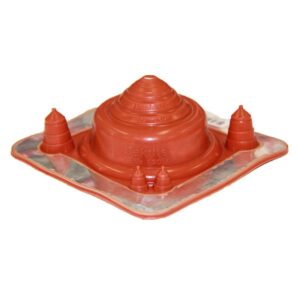
Dektite, Flashing #1 Premium Solar, Red

Dektite, Flashing #2A Premium, Black

Dektite, Flashing #3 Premium, Grey
Dektite, Flashing #4 Premium, Black

Dektite, Flashing #4 Premium, Grey

Dektite, Flashing #4 Premium, Red

Dektite, Flashing #7 Premium, Black

Dektite, Flashing #9 Combo, Black
Looks like you haven't made a choice yet.