Fantech EXHAUST FAN RAPID RESPONSE 250 WITH ROUND WHITE GRILLE RESPFG10RN
$243.76 inc GSTQuiet, high-performance ceiling exhaust fan with easy install features for fast, efficient ventilation on residential and commercial jobs.

The best ceiling exhaust fan for a project depends on more than the installation location. Airflow requirements, room size, usage patterns, and moisture levels all influence which solution will deliver reliable long-term performance.
For bathrooms and laundries, effective extraction helps manage humidity and minimise mould-related issues. In commercial amenities and high-traffic facilities, ventilation requirements are often greater, making airflow performance and durability key selection factors.
Before choosing a fan, consider:
Matching the fan to the environment helps avoid performance issues, unnecessary maintenance, and future replacement costs.
Not every project requires the same level of extraction performance.
Smaller bathrooms, powder rooms, and ensuites may require a compact ventilation solution, while larger bathrooms, laundries, and commercial amenities often benefit from higher-capacity extraction.
For apartment developments, aged care facilities, offices, schools, and hospitality projects, reliability and consistent operation become particularly important. Choosing a ceiling exhaust fan designed for the demands of the environment can help reduce maintenance requirements and minimise disruptions after installation.
Trade professionals managing multiple projects often benefit from standardising product selections across similar installations, helping simplify procurement and future servicing.
Many ceiling exhaust fan purchases involve replacing older or underperforming units.
When upgrading an existing installation, it is worth evaluating whether the current fan provides adequate airflow for the space. Moisture build-up, persistent condensation, and recurring mould issues can indicate that a higher-capacity solution may be required.
Before selecting a replacement fan, review:
Taking these factors into account can help avoid installation complications and improve long-term performance.
Facilities managers, contractors, and maintenance teams often require ventilation products that balance performance, reliability, and ease of replacement.
For schools, offices, healthcare facilities, retail centres, and multi-unit residential developments, selecting dependable products can reduce service call-outs and help maintain consistent building performance.
Where ongoing maintenance programs are involved, product availability and supply continuity can be just as important as initial purchase cost.
Project schedules rarely allow time for sourcing products from multiple suppliers. Working with a trade-focused wholesaler can simplify procurement by providing access to ventilation products alongside the broader electrical materials required for installation.
Whether you’re completing a bathroom renovation, commercial fit-out, apartment development, or maintenance upgrade, selecting the right ceiling exhaust fan helps support effective ventilation, reliable operation, and long-term project outcomes.
iSupply Electrical supplies ceiling exhaust fans for residential, commercial, and maintenance applications, with convenient ordering and delivery options available throughout Australia.
The ideal fan depends on room size, moisture levels, and ventilation requirements. Larger bathrooms typically require higher airflow capacity than smaller ensuites or powder rooms.
Laundries often experience elevated humidity levels, making adequate extraction performance an important consideration when selecting a fan.
Check ceiling cut-out dimensions, available ceiling cavity space, existing ducting arrangements, and whether the current fan is delivering sufficient airflow.
Yes. Ceiling exhaust fans are commonly specified in apartments, townhouses, and multi-residential developments where moisture management and ventilation are important.
Commercial applications may require greater airflow capacity, longer operating periods, and higher durability depending on the environment.
Requirements vary between products and installations. Always review installation requirements before selecting a fan.
Choosing a ceiling exhaust fan with suitable extraction performance can help remove excess moisture and reduce condensation build-up.
Room size, duct length, installation quality, airflow capacity, and ongoing maintenance can all influence performance.
Regular inspection and cleaning help maintain airflow performance and support reliable operation over time.
Reliability, ease of replacement, product availability, maintenance requirements, and suitability for the intended environment are typically key considerations.
Showing 1–16 of 20 results

Quiet, high-performance ceiling exhaust fan with easy install features for fast, efficient ventilation on residential and commercial jobs.

High-performance, quiet ceiling exhaust fan with quick-install features for efficient moisture and odour removal in residential and commercial spaces.

Compact, ultra-quiet header box fan with 100mm side duct for efficient and easy ceiling installations.
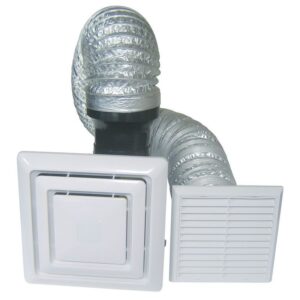
Compact, quiet, and powerful header box fan kit with 100mm side outlet, complete with duct and grille for fast, hassle-free installation.
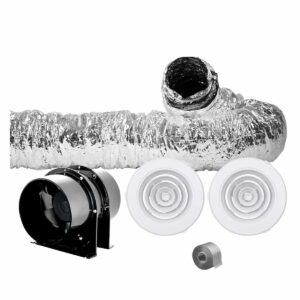
Complete 1 to 2 room heat transfer kit designed to efficiently redistribute warm air with easy installation and reliable in-line fan performance.
Efficiently transfer warm air from one room to up to three others with this easy-to-install FANTECH heat transfer kit.

Quiet, high-performance 200mm ceiling exhaust fan designed for easy retrofit into standard 8″ cut-outs with fast installation features.
Ultra-quiet 200mm ceiling exhaust fan with timer, designed for fast installation and efficient ventilation in standard 8″ cut-outs.

Powerful, quiet ceiling-mounted header box fan designed for fast steam removal and easy retrofit into standard 10″ cut-outs.

Rapid Response 250HP The Rapid Response 250HP header box exhaust fan is the quietest and most powerful in its class. Its aerodynamic and fully optimised design minimises air flow resistance and produces powerful, efficient performance. Features Rapid Response 250HP provides strong air flow performance to ensure steam is cleared from rooms such as bathrooms and…

A slimline 250mm exhaust fan with integrated 12W tricolour LED light, delivering quiet, efficient ventilation and flexible lighting in one easy-to-install unit.

Reliable 250mm round exhaust fan with quick-mount installation and thermal protection, ideal for efficient residential ventilation.

Low-profile 300mm exhaust fan with integrated 12W tricolour LED light, designed for fast installation and reliable bathroom ventilation.
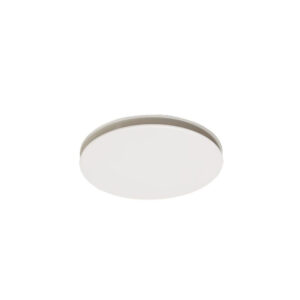
High-performance 300mm exhaust fan with quiet operation, turbo blade airflow, and easy plug-and-play installation for bathrooms and laundries.
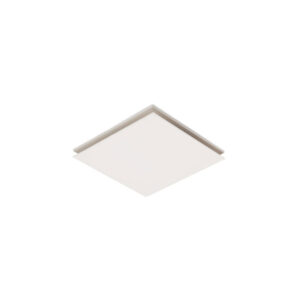
High-performance 300mm exhaust fan with strong airflow, quiet operation, and easy install design for bathrooms and laundries.

Complete 150mm ceiling ventilation kit with Rapid Response fan, ducting, and grilles for fast, reliable installation.
Looks like you haven't made a choice yet.