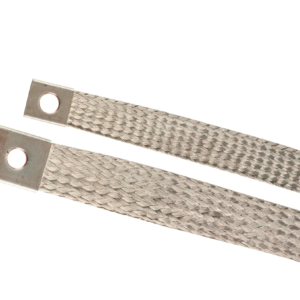
Cable Lugs, Links & Terminals

Cable Lugs for Electrical, Switchboard and Power Distribution Applications

Cable lugs are used throughout electrical infrastructure to create secure connections between conductors and equipment. From switchboards and distribution boards to solar systems, battery installations, and industrial machinery, selecting the correct termination hardware helps support safe and dependable electrical connections.

For contractors and procurement teams, the challenge is often less about finding a cable lug and more about choosing one that matches the conductor, connection point, and installation environment. Understanding these requirements before purchasing can help prevent delays, compatibility issues, and unnecessary replacements on site.

Selecting the Right Cable Lug for Your Installation

The most suitable cable lug depends on both the cable being terminated and the equipment it connects to.

Before making a selection, consider:

  • Conductor material
  • Cable size
  • Stud hole size
  • Current carrying requirements
  • Indoor or outdoor installation conditions
  • Exposure to vibration, moisture, or corrosive environments

Matching these factors correctly helps ensure compatibility with switchboards, distribution equipment, battery systems, motor control applications, and power infrastructure.

Understanding Copper, Aluminium and Bimetal Cable Lugs

Different conductor materials require different termination solutions.

Copper cable lugs are widely used throughout commercial, industrial, and general electrical installations where high conductivity and mechanical strength are required.

Aluminium cable lugs are commonly selected for power distribution systems using aluminium conductors and larger infrastructure projects.

Bimetal cable lugs are designed for situations where copper conductors connect to aluminium equipment or conductors, helping minimise issues associated with dissimilar metals.

Choosing the correct material not only improves connection quality but also helps maximise service life in demanding environments.

Common Cable Lug Applications Across Trade Projects

Cable lugs are used across a wide range of installation and maintenance work, including:

  • Main cable terminations
  • Switchboard construction
  • Distribution board upgrades
  • Earthing and bonding systems
  • Solar PV installations
  • Battery storage systems
  • Industrial control panels
  • Commercial fit-outs
  • Facilities maintenance projects
  • Manufacturing and processing equipment

Understanding the intended application can help narrow product selection and ensure the termination method aligns with project requirements.

Avoiding Common Cable Lug Selection Mistakes

Incorrect cable lug selection is one of the most common causes of connection issues during installation.

Before ordering, confirm:

  • Cable size matches lug capacity
  • Stud hole dimensions suit the connection point
  • Conductor material compatibility
  • Installation environment requirements
  • Current load requirements
  • Compliance requirements for the project

Taking a few minutes to verify these details can help reduce installation delays and avoid the need for replacement components after delivery.

Supporting Efficient Procurement and Project Delivery

For electrical contractors, maintenance teams, and procurement professionals managing multiple projects, product availability and sourcing efficiency can be just as important as technical suitability.

Access to a broad range of cable lugs, links, terminals, and related connection products makes it easier to source project requirements from a single supplier, helping streamline purchasing and minimise downtime caused by product shortages or sourcing delays.

Find Cable Lugs for Your Next Electrical Project

Whether you’re wiring a switchboard, terminating mains cables, upgrading power distribution equipment, or maintaining industrial infrastructure, selecting the correct cable lug helps support a secure and long-lasting connection. Explore our range of cable lugs, links, and terminals to find suitable solutions for residential, commercial, and industrial projects throughout Australia.

Frequently Asked Questions

How do I determine the correct cable lug size?

The cable lug should match the conductor size of the cable being terminated. Always verify cable dimensions before selecting a lug to ensure proper fitment and connection quality.

Why does stud hole size matter?

The stud hole must match the bolt or connection point used on the equipment. Choosing the wrong stud size can create installation difficulties and compromise connection security.

When should I use copper cable lugs?

Copper cable lugs are commonly used with copper conductors in switchboards, distribution systems, commercial installations, and industrial applications requiring high conductivity.

What are bimetal cable lugs used for?

Bimetal cable lugs are used when connecting copper conductors to aluminium equipment or conductors, helping reduce corrosion risks between dissimilar metals.

Are cable lugs suitable for solar and battery installations?

Yes. Cable lugs are frequently used in solar PV systems, battery storage installations, inverters, and associated power distribution equipment.

Can cable lugs be used outdoors?

Many cable lugs are suitable for outdoor use when selected for the installation environment and properly protected from moisture and corrosion.

What is the difference between compression and mechanical cable lugs?

Compression lugs require crimping tools to create a permanent connection, while mechanical lugs use fastening systems that can be installed without specialised compression equipment.

What should I check before ordering cable lugs for a switchboard project?

Confirm cable size, conductor material, stud size, current requirements, and any project-specific compliance requirements before purchasing.

Are cable lugs used for earthing and bonding systems?

Yes. Cable lugs are commonly used to create secure connections within earthing and bonding installations across residential, commercial, and industrial projects.

What should commercial buyers consider when purchasing cable lugs in bulk?

Bulk buyers should evaluate product compatibility, consistency across projects, stock availability, lead times, and suitability for the intended installation environment.

Showing 1–16 of 855 results

My cart
Your cart is empty.

Looks like you haven't made a choice yet.