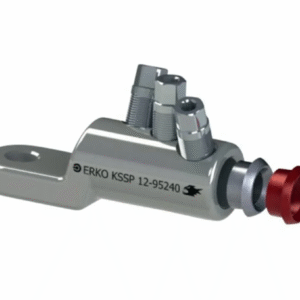
Mechanical Connectors

Selecting Mechanical Connectors for Your Application

The right mechanical connector depends on more than conductor size alone. Buyers should consider where the connection will be installed, the type of conductor being used and the accessibility of the installation area.

Mechanical connectors are commonly specified for switchboard terminations, distribution board installations, submain connections, cable repairs and industrial maintenance work. They are often sourced alongside other electrical accessories used to support cable management, termination, protection and installation requirements across commercial and industrial electrical projects.

Before selecting a connector, confirm:

  • Conductor size range
  • Copper or aluminium compatibility
  • Intended installation environment
  • Access limitations around the connection point
  • Project specifications and compliance requirements

Taking a few moments to verify these factors can help prevent costly delays and reduce the risk of ordering unsuitable products.

When Mechanical Connectors May Be the Better Choice

Many electrical projects require buyers to choose between mechanical connectors and compression termination solutions.

Mechanical connectors are often preferred when:

  • Fast installation is required
  • Maintenance access is limited
  • Replacement work must be completed quickly
  • Multiple conductor sizes need flexibility
  • Crimping tools are unavailable onsite

For service upgrades, shutdown maintenance and cable repair work, mechanical connectors can help reduce installation time while still providing a secure electrical connection.

Understanding the advantages of each termination method allows contractors and procurement teams to select products that align with project timelines and installation requirements.

Mechanical connectors are often specified alongside lugs, links and terminals in switchboards, distribution systems and power installations where reliable conductor termination and connection performance are essential.

Checking Compatibility Before Ordering

Compatibility remains one of the most important considerations when purchasing mechanical connectors.

Incorrect conductor selection can lead to installation issues, unnecessary rework and project delays. Buyers should confirm not only conductor size but also whether the connector is suitable for copper conductors, aluminium conductors or mixed conductor applications.

Where projects involve switchboard upgrades, distribution systems or power infrastructure, compatibility checks become even more important because replacement costs can quickly exceed the original product cost.

A careful review before ordering helps improve installation efficiency and reduces the likelihood of on-site issues.

Common Applications Across Commercial and Industrial Projects

Mechanical connectors are used across a wide range of electrical installations where reliability and ease of installation are important.

Typical applications include:

  • Switchboard construction
  • Distribution board installations
  • Consumer mains and submains
  • Cable jointing and repairs
  • Industrial maintenance work
  • Commercial fit-outs
  • Infrastructure projects
  • Power distribution upgrades

Their versatility makes them suitable for both planned installations and urgent maintenance situations where project downtime needs to be minimised.

Avoiding Common Mechanical Connector Selection Mistakes

Many purchasing issues occur because buyers focus solely on conductor size while overlooking other important requirements.

Common mistakes include:

  • Choosing a connector unsuitable for the conductor material
  • Ignoring environmental exposure conditions
  • Selecting products that do not match project specifications
  • Overlooking future maintenance access requirements
  • Assuming all connection methods offer the same installation benefits

Reviewing application requirements alongside technical compatibility helps ensure a more reliable outcome and reduces the risk of costly rework.

Find Mechanical Connectors for Trade and Project Requirements

Whether you’re sourcing connectors for switchboards, cable repairs, commercial fit-outs or industrial power distribution, choosing the right solution can improve installation efficiency and long-term reliability.

Explore the range of mechanical connectors available for trade professionals and project buyers, with solutions designed to support electrical installations across Australia.

Frequently Asked Questions 

What are mechanical connectors used for?

Mechanical connectors are used to join or terminate electrical conductors in switchboards, distribution systems, power installations, cable repairs, and industrial maintenance applications. They provide a secure connection without requiring compression crimping tools.

Are mechanical connectors suitable for both copper and aluminium conductors?

Many mechanical connectors are designed for use with copper, aluminium, or mixed conductor applications. Always check the product specifications to confirm conductor compatibility before ordering.

Do mechanical connectors require special installation tools?

One of the key advantages of mechanical connectors is that they generally do not require specialised crimping equipment. Most are installed using standard hand tools according to manufacturer specifications.

Can mechanical connectors be used in switchboards?

Yes. Mechanical connectors are widely used in switchboard construction, upgrades, and maintenance projects due to their ease of installation and flexibility across various conductor sizes.

Are mechanical connectors suitable for cable repairs?

Mechanical connectors are commonly used for cable repair and replacement work because they can be installed quickly, helping reduce downtime during maintenance and emergency repairs.

How do I choose the correct mechanical connector size?

Connector selection should be based on the conductor size range, conductor material, installation environment, and project requirements. Always verify the cable specifications before purchasing.

What are the advantages of mechanical connectors over compression connectors?

Mechanical connectors can offer faster installation, easier maintenance access, greater flexibility for multiple conductor sizes, and reduced reliance on specialised tooling compared to compression termination methods.

Can mechanical connectors be used in commercial and industrial projects?

Yes. Mechanical connectors are regularly specified for commercial construction, industrial facilities, infrastructure projects, power distribution systems, and ongoing maintenance programmes throughout Australia.

Are mechanical connectors suitable for outdoor installations?

Some mechanical connectors are suitable for outdoor or exposed environments when installed in accordance with manufacturer recommendations. Buyers should review environmental ratings and project requirements before selection.

Why is conductor compatibility important when selecting a mechanical connector?

Using a connector that is not compatible with the conductor material or size can lead to installation problems, reduced performance, costly rework, and project delays. Compatibility should always be confirmed before ordering.

Showing all 9 results

My cart
Your cart is empty.

Looks like you haven't made a choice yet.